Virginia Master Naturalists are volunteer educators, citizen scientists, and stewards helping Virginia conserve and manage natural resources and public lands.
People who are curious about nature, enjoy the outdoors, and want to be a part of natural resource management and conservation in Virginia are perfect candidates to become a Virginia Master Naturalist.
The Historic Rivers Chapter serves Southeastern Virginia between the Historic James and York Rivers, including James City County, York County, New Kent County, Charles City County, and the City of Williamsburg. See the impact our chapter had last year in our Historic Rivers 2025 Year in Review!
Board of Directors for the Historic Rivers Chapter
Composed of 29 semi-independent, locally focused chapters, The Virginia Master Naturalist program is actively supported, guided, and represented by the over-arching statewide VMN program.
Through their local chapters, VMN volunteers train and serve with the variety of partner groups and institutions who are already working in locally relevant natural resources education and outreach projects.
The success of the Virginia Master Naturalist Program relies on these partnerships between chapters and organizations, state and local agencies, non-profits, and other citizen groups.
All over the state, Virginia Master Naturalists train for certifications, then maintain that certification by launching or participating in local projects as they trek through forests and fields, collect data in streams, beaches, and backyards—all while continuing to learn and sharing their enthusiasm for Virginia’s natural world.
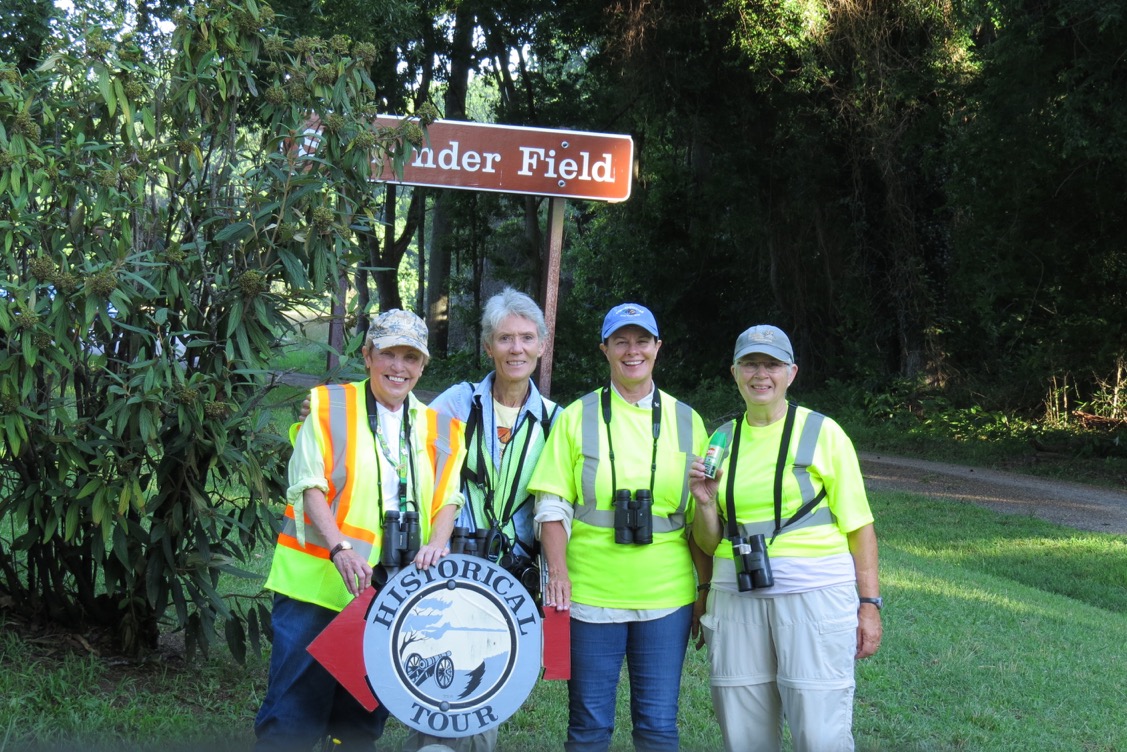
Citizen Projects may include:
- Bird, butterfly, frog and toad counts
- Wildlife and native plant mapping and surveys
- Camera trapping
- Stream monitoring
These data describe the lives, habits, and responsiveness to change of plant and animals.
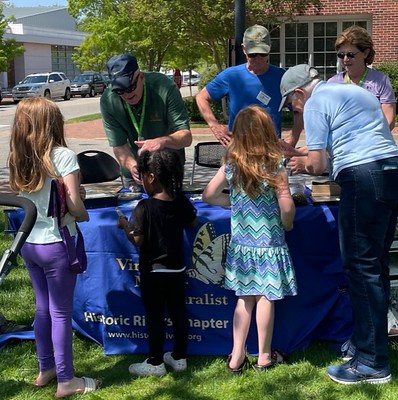
People who enjoy teaching, public speaking, or working with youth may do education-related service projects, such as leading programs in a nearby state park.
Education/Outreach Projects may include:
- Developing an interpretive trail
- Being a guest presenter on a natural resource topic
- Staffing presentations at fairs, booths, or other events
- Other educational or outreach activities that promote environmental education
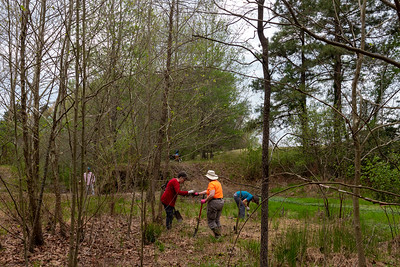
Stewardship Projects may include:
- Planting trees
- Protecting streams
- Constructing concrete reef balls for placing in nearby rivers to allow oysters to grow from seeds to adulthood
- Restoring and maintaining wildlife habitat, improving water quality.
- Building and maintaining park trails.
- Removing exotic or invasive plants
- Planting native plants at a nature center